 01
CALMER RESPONSE
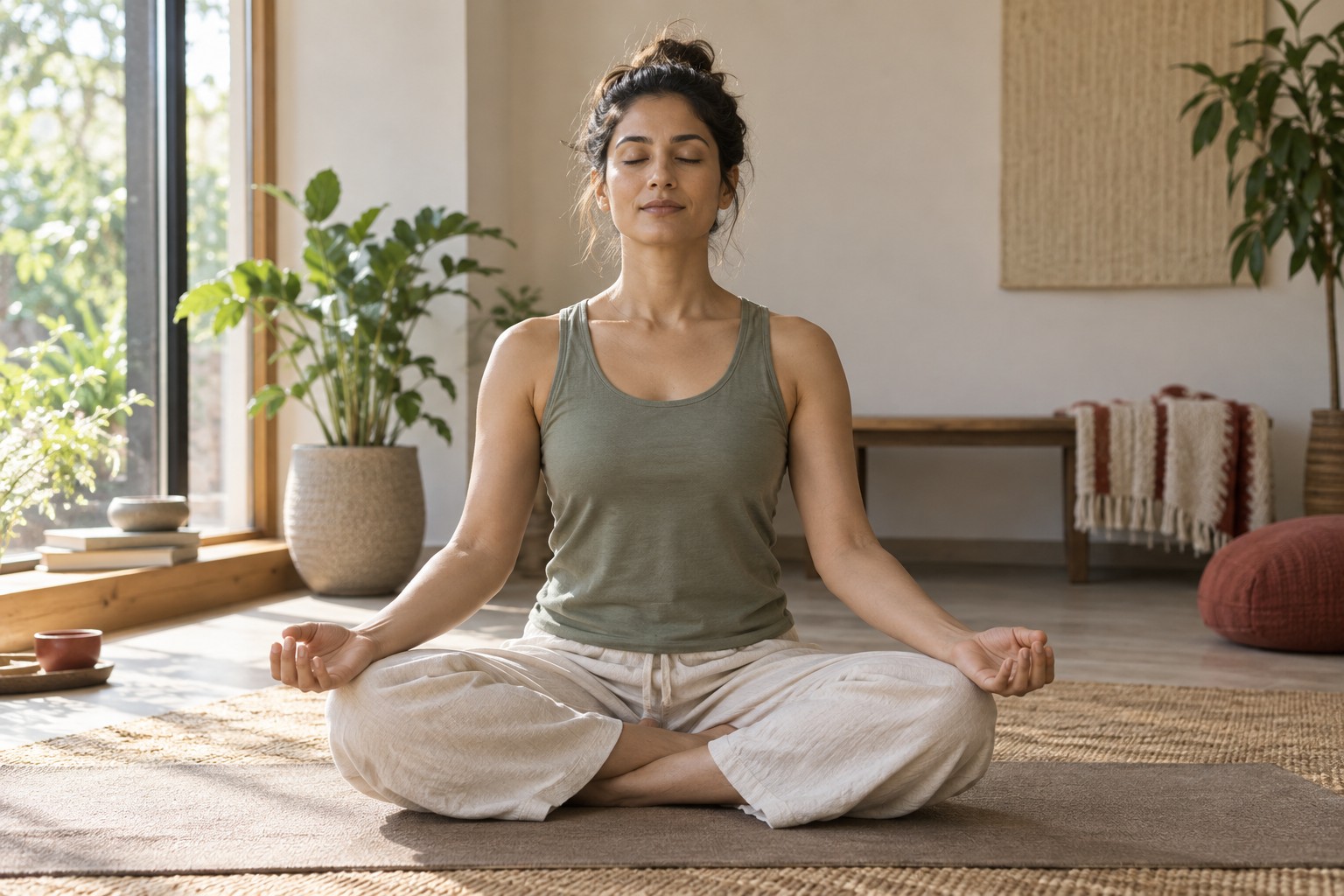
Regular practice may help you notice stress reactions earlier and respond with more space and intention.
 FITNESS GYAN
THE FOUNDATION
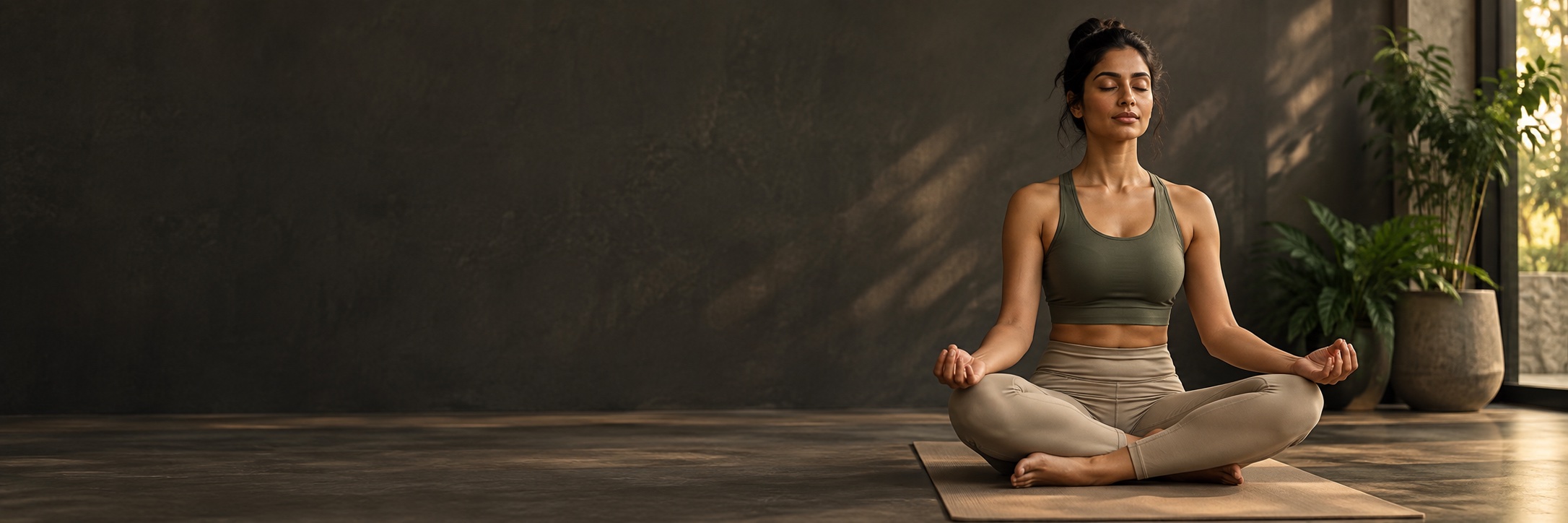
Meditation is the practice of intentionally training attention and awareness. You choose a simple anchor—such as breathing, physical sensation, sound, or movement—and practise returning to it when the mind wanders.
It does not require a blank mind, a special belief system, or perfect stillness. The essential skill is recognising what is happening in the present moment and beginning again without harsh self-judgment.
WHY PRACTISE
Benefits develop through repetition. Treat meditation as attention training—not as a quick fix or a test you must pass.
01Regular practice may help you notice stress reactions earlier and respond with more space and intention.
 02
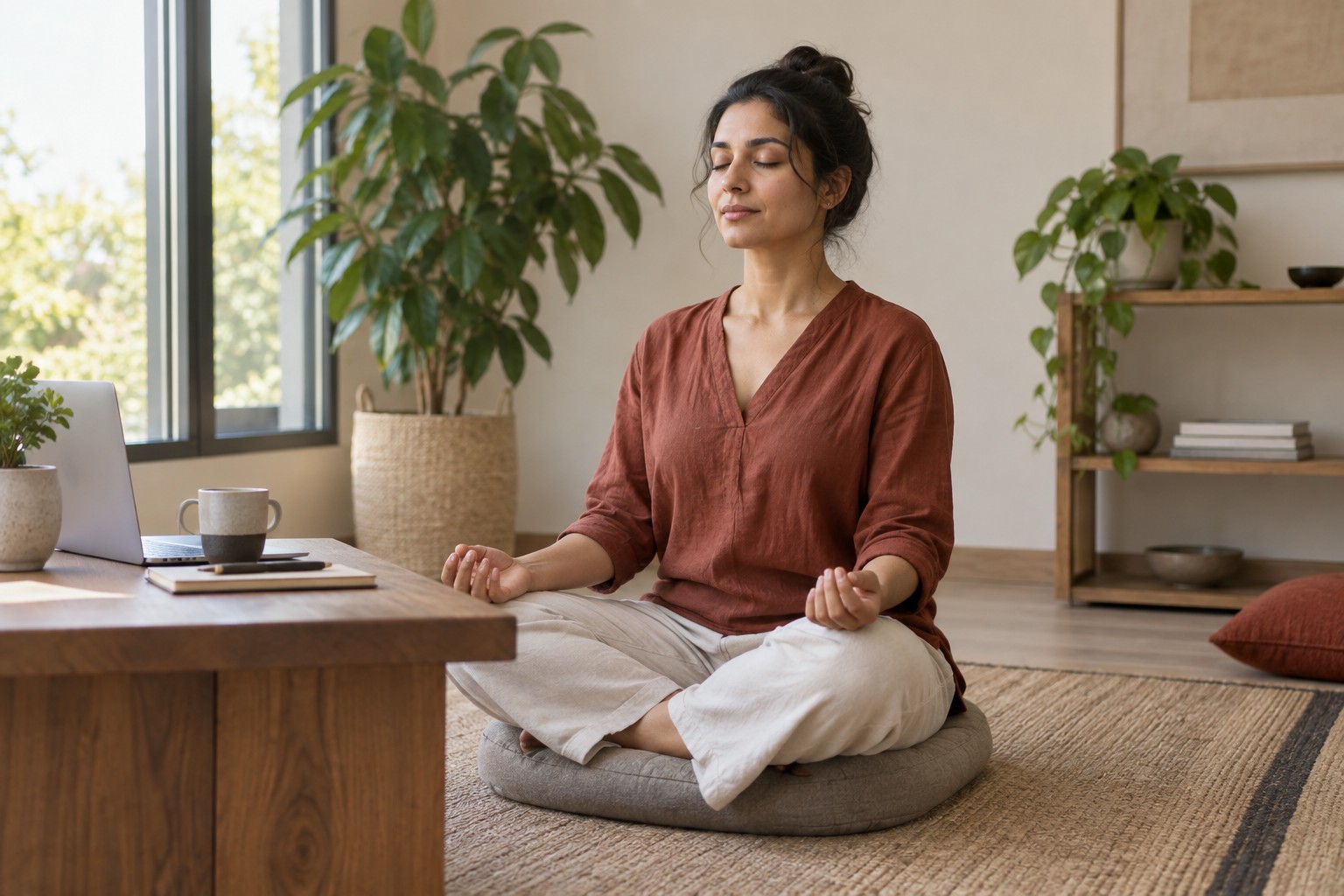
Returning to one chosen anchor trains the skill of noticing distraction and gently redirecting attention.
 03
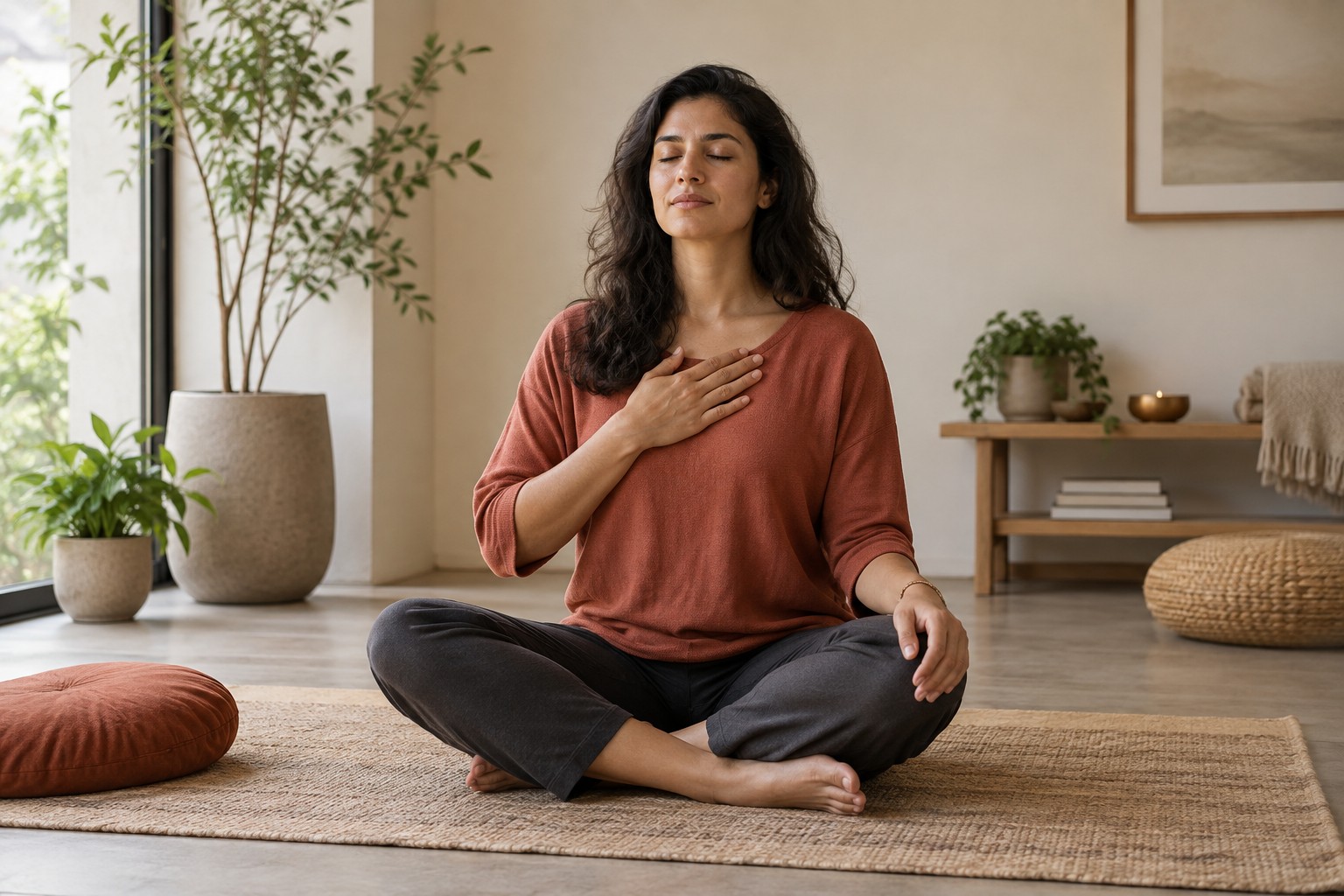
Observing thoughts and feelings without immediately acting on them can improve self-awareness.
 04
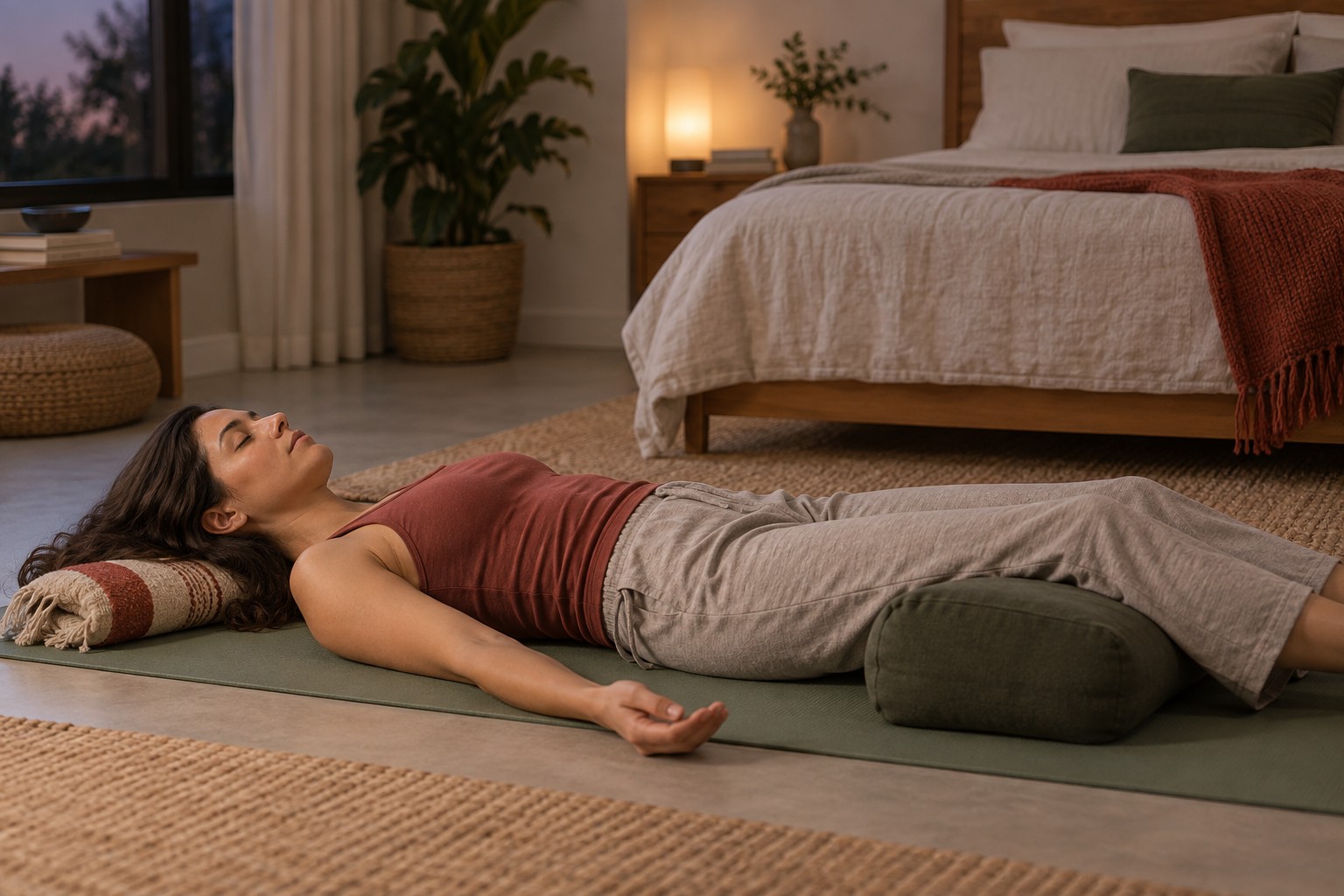
Slow breathing and body scans can support relaxation after training and prepare the body for rest.
BEGINNER ROUTE
You do not need special equipment. Choose a quiet-enough place, reduce avoidable interruptions, and let consistency be the goal.
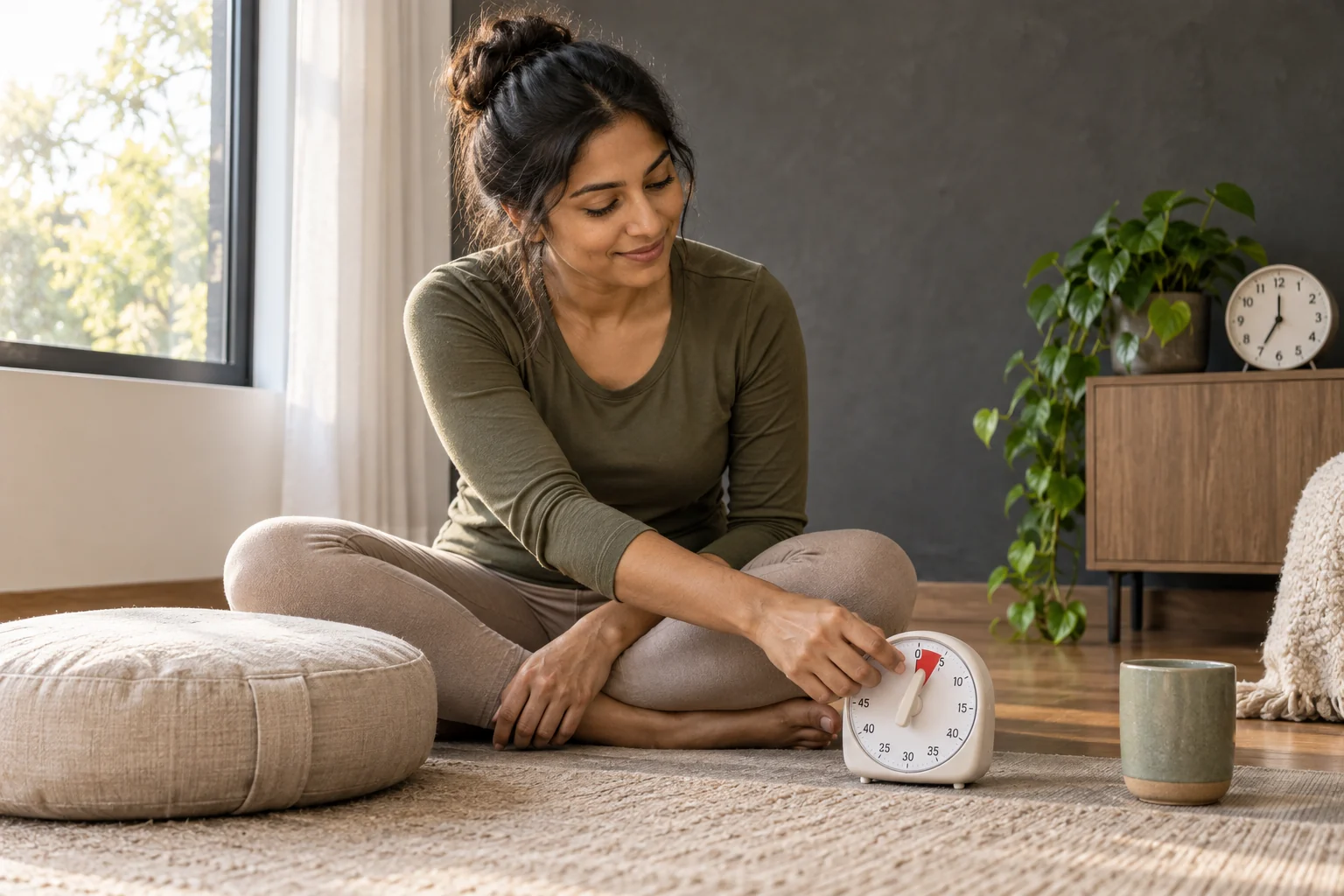
Begin with two to five minutes at a repeatable time. A short daily practice is easier to sustain than an occasional long session.
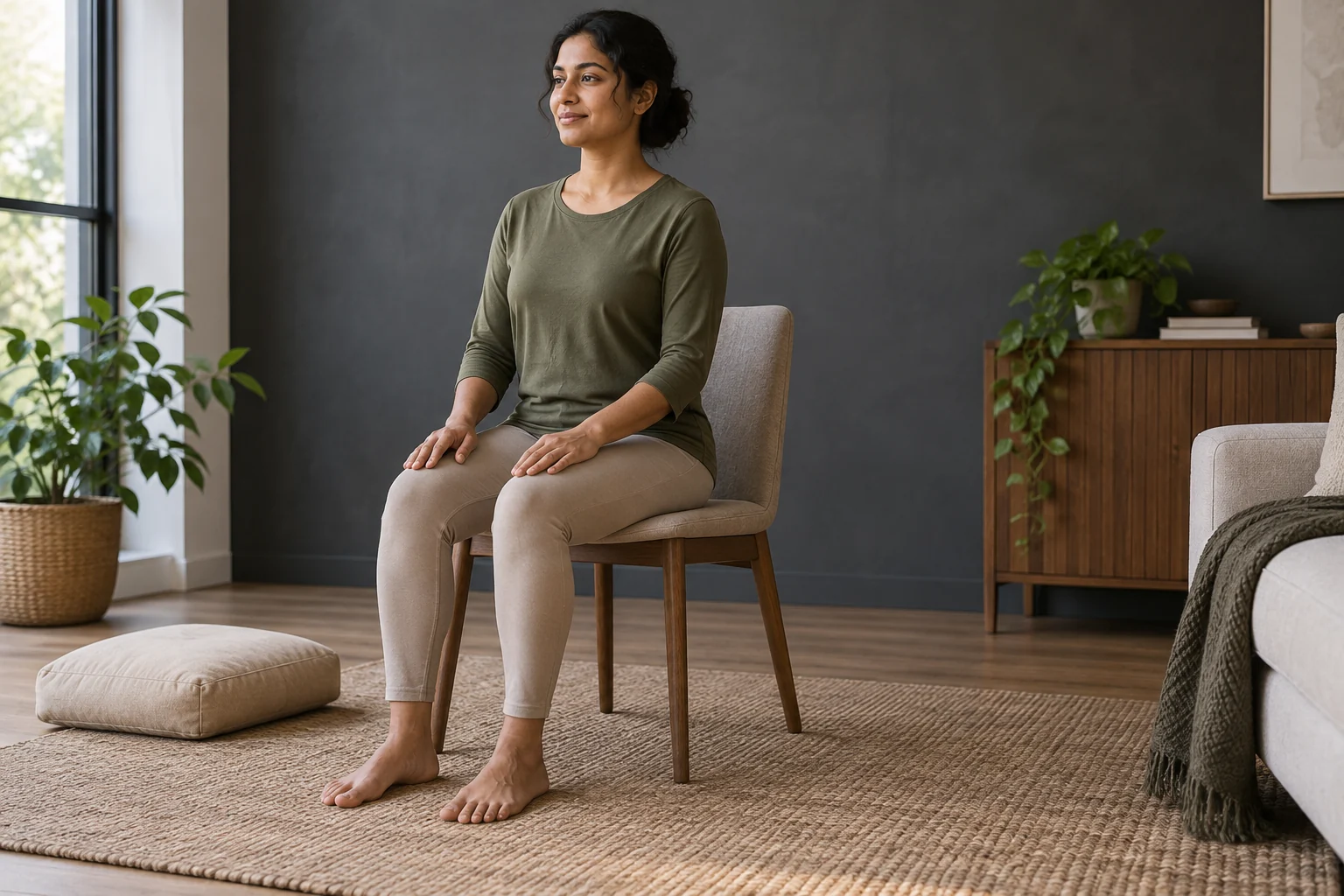
Sit on a chair or cushion, stand, walk slowly, or lie down. Aim for alertness and reasonable comfort rather than a perfect pose.
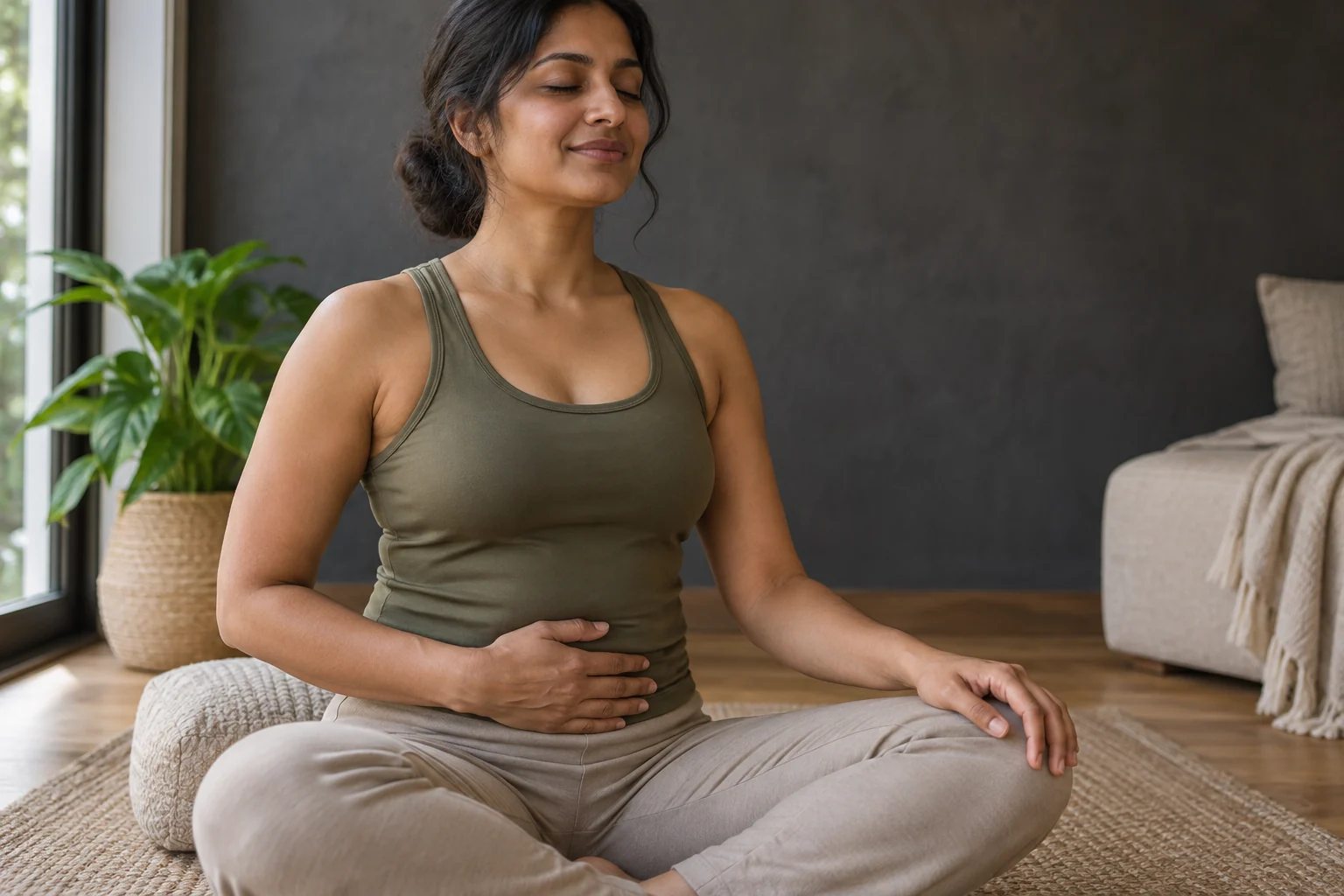
Use the breath, body sensations, sounds, or contact with the floor. Let this be the place you return to.
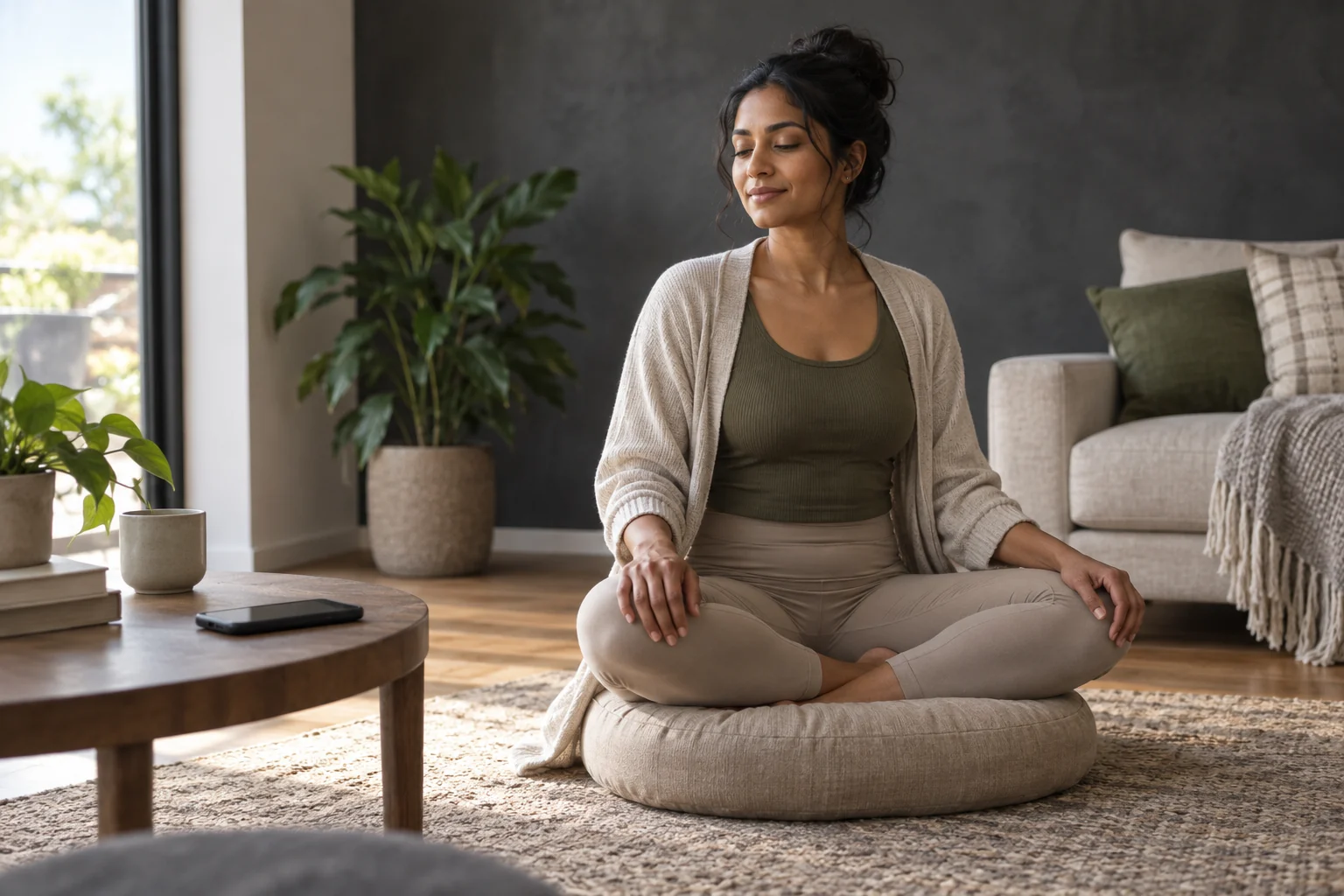
Distraction is part of meditation. Recognise it without criticism, then guide attention back to your anchor.
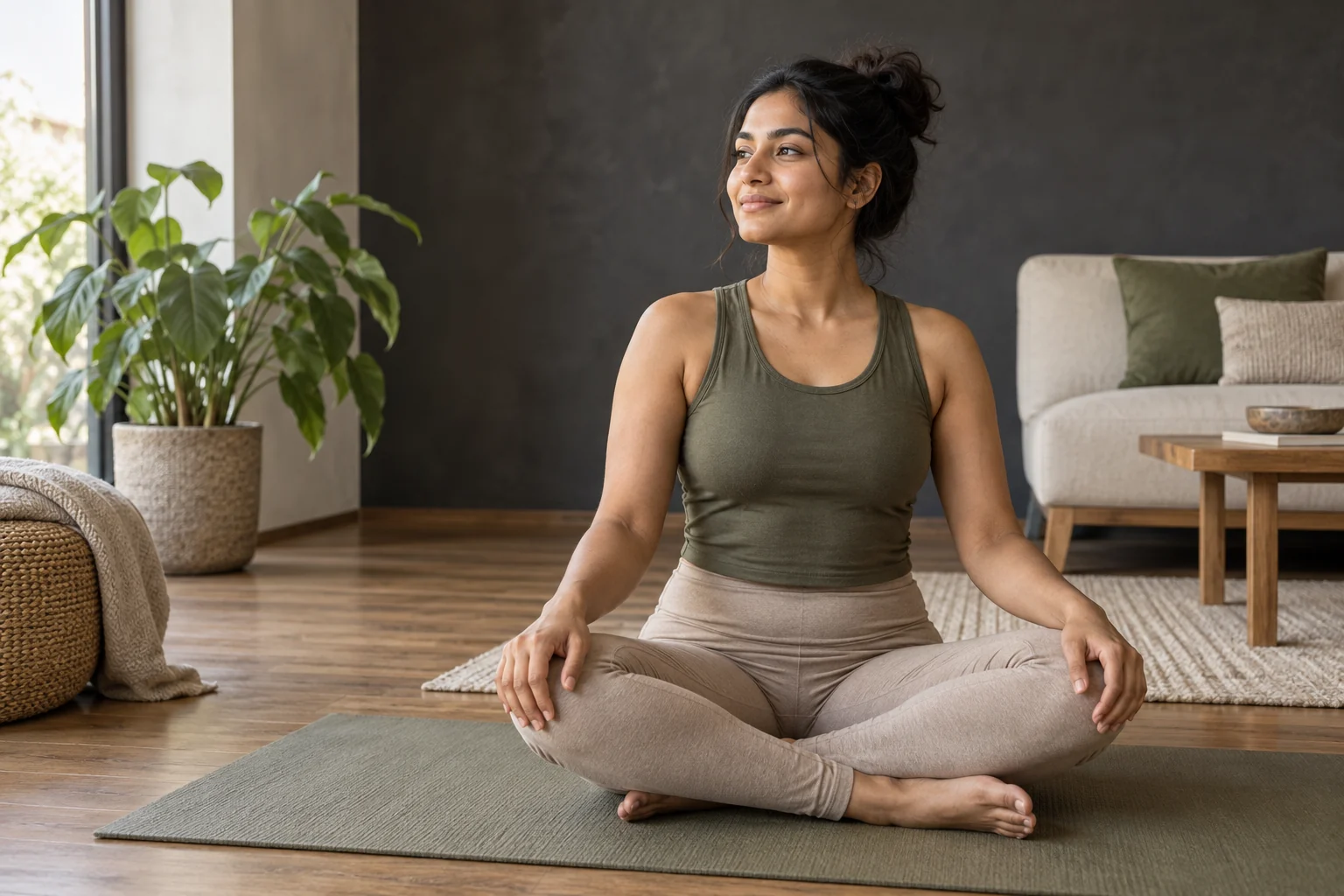
Take one deeper breath, notice the room, and choose one quality—such as patience or steadiness—to carry forward.
PRACTISE NOW
Use a timer with a gentle sound, choose a stable seated or lying position, and begin with the shortest practice you can repeat consistently.
GUIDED STRUCTURE
Sit comfortably. Notice three natural breaths, scan the body for unnecessary tension, then count ten slow exhalations. Start again whenever attention wanders.
GUIDED STRUCTURE
Choose the breath at the nose or abdomen as your anchor. Notice distraction without judging it, then return to the next breath for ten minutes.
GUIDED STRUCTURE
Lie down or sit supported. Relax the jaw, shoulders, hands, abdomen, and legs in sequence while allowing the breathing rate to settle naturally.
GUIDED STRUCTURE
Dim the room, put devices away, and use a slow body scan from feet to head. Finish by noticing sounds and the support beneath your body.
COMMON QUESTIONS
Clear answers to the questions that most often come up when beginning a meditation practice.
No. The aim is not to make the mind blank. Practice noticing thoughts without following every one, then return to your chosen anchor.
Two to five minutes is enough to begin. Add time gradually when the routine feels comfortable and repeatable.
The best time is one you can protect consistently. Morning may support focus, while an evening practice can help you transition toward rest.
Yes. Lying down works well for body scans and recovery. If you become sleepy and want to stay alert, try sitting or walking instead.
Yes. Restlessness, boredom, and distraction are common. Each gentle return to the anchor is part of the practice, not a failure.
A short practice on most days is usually easier to sustain than one long weekly session. Start with a realistic schedule and build gradually rather than aiming for perfection.
No. You can sit on a chair, use a cushion, stand, walk slowly, or lie down. Choose a position that feels stable, reasonably comfortable, and appropriate for your body.
Either is fine. Closed eyes may reduce visual distraction, while a soft downward gaze can help you stay alert or feel more grounded. Use whichever option feels safer and steadier.
Falling asleep can mean you are tired or that the position is too relaxing. Try practising earlier, sitting upright, opening your eyes slightly, or shortening the session.
Yes. Gentle audio or spoken guidance can help beginners maintain focus. Keep the volume comfortable and choose recordings that do not make exaggerated health claims.
Look for small changes over time, such as noticing distraction sooner, pausing before reacting, or returning attention more easily. A perfectly calm session is not required for the practice to be useful.
Open your eyes, reconnect with the room, move your body, or stop the session. Shorter practices or walking meditation may feel better. Seek qualified support if difficult reactions are intense or persistent.
No. Meditation can support wellbeing, but it is not a substitute for professional assessment or treatment. Seek qualified support when symptoms are persistent, severe, or distressing.
Start with two to five minutes and add time only when the practice feels sustainable. Meditation can support wellbeing, but it is not a replacement for qualified mental-health care.